
-
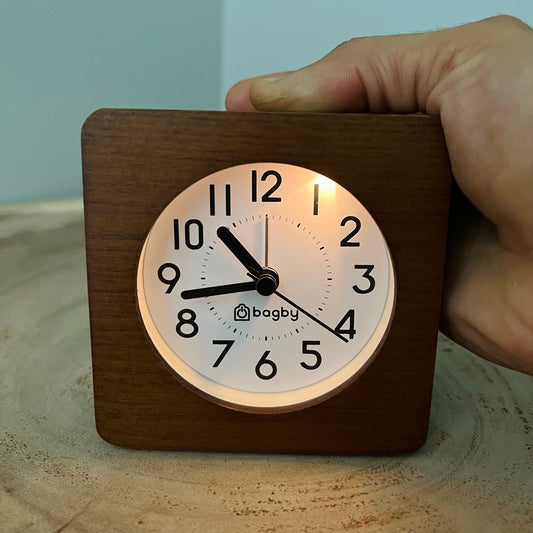
Bagby EMF-Free Classic Silent Analog Alarm Clock
Regular price From £30.00 GBPRegular price£35.00 GBPSale price From £30.00 GBP-14% -
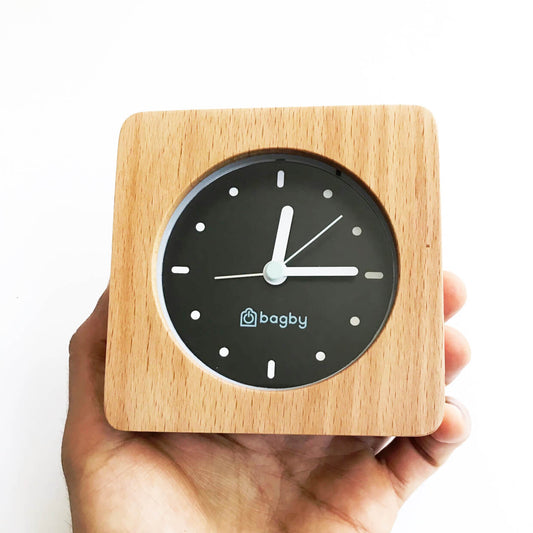
Bagby EMF-Free Minimalist Silent Analog Alarm Clock
Regular price From £28.00 GBPRegular price£35.00 GBPSale price From £28.00 GBP-20% -
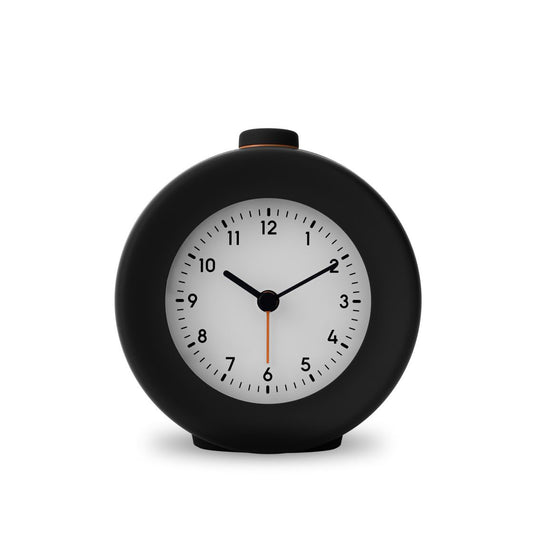
Mudita Bell EMF-Free Alarm Clock
Regular price £72.00 GBPRegular price -
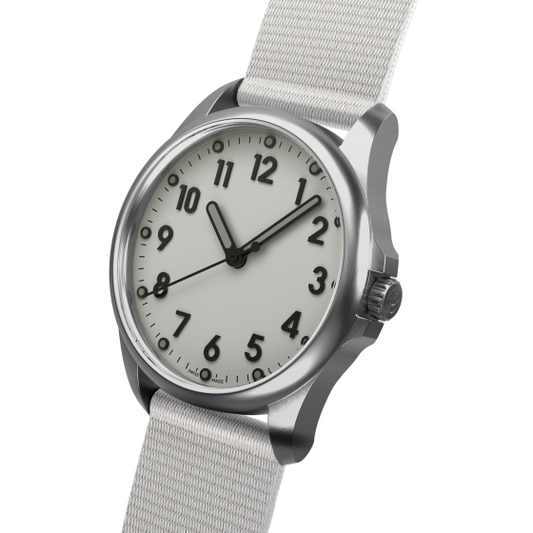
Mudita Moment EMF-Free Watch
Regular price From £254.00 GBPRegular price -
Mudita Radiant Automatic EMF-Free Watch
Regular price £665.00 GBPRegular price






Frequently Asked Questions
What is a low-EMF alarm clock?
A low-EMF alarm clock is designed to minimize electromagnetic field emissions near your head while you sleep. Unlike digital clocks with LED displays or phones with WiFi and Bluetooth, low-EMF clocks use analog mechanical movement and produce zero or near-zero electromagnetic radiation. Battery-powered models are the lowest-EMF option since they have no connection to your home's electrical wiring.
Do alarm clocks emit radiation?
Traditional plug-in digital alarm clocks emit low-frequency EMF from their power cords and electronic displays. Smart alarm clocks with WiFi or Bluetooth emit RF radiation continuously. Battery-powered analog clocks like our Bagby collection produce zero measurable EMF. If you currently use your phone as an alarm, switching to a dedicated analog clock eliminates one of the most significant EMF sources in your bedroom.
What's the difference between the Bagby and Mudita alarm clocks?
Bagby clocks are handcrafted from European beech wood with a silent sweep movement and gentle ascending alarm. They start at $36 and come in multiple wood finishes. The Mudita Bell features a minimalist industrial design with a classic bell alarm mechanism at $92. All three clocks are EMF-free and battery-powered — the main differences are alarm style, design aesthetic, and price point.
Is it safe to have an alarm clock next to your bed?
Battery-powered analog alarm clocks are a safer choice for your nightstand than phones or plug-in digital clocks. Phones emit RF radiation from cellular, WiFi, and Bluetooth signals throughout the night. Plug-in clocks generate low-frequency EMF from their power cords. A battery-powered analog clock like the Bagby or Mudita Bell produces no electromagnetic emissions — making it one of the simplest ways to reduce EMF exposure while you sleep.
Should I use my phone as an alarm clock?
Using your phone as an alarm clock means sleeping with a device that emits RF radiation, blue light, and notifications within inches of your head for 8 hours nightly. Research shows that 71% of people sleep with their phones, and this proximity creates one of the longest, closest EMF exposures in your daily routine. A dedicated low-EMF alarm clock eliminates this exposure while still waking you reliably. It also removes the temptation of late-night scrolling that disrupts sleep quality.
