Collection: Dirty Electricity Filters for Cleaner & Safer Home Power

Your home wiring carries more than electricity—it carries high-frequency pollution called dirty electricity. This electromagnetic interference, generated by modern electronics, travels throughout your home on every wire in every wall. Dirty electricity filters address this pervasive but invisible EMF source.

Dirty electricity originates from devices that convert AC power: LED bulbs, CFL bulbs, dimmer switches, computers, televisions, solar inverters, variable-speed motors, and countless other electronics. These devices create high-frequency voltage transients that propagate through your entire electrical system, radiating from wires into living spaces.

Filters work by installing at outlets throughout your home. They absorb the high-frequency components while allowing normal 60Hz electricity to pass through. Multiple filters distributed across your home reduce dirty electricity levels throughout, not just at single outlets.

Measurement matters for effective filtering. A dirty electricity meter shows your baseline levels and helps you identify which circuits need filters. After installing filters, remeasuring confirms reduction. Without measurement, you're guessing about both the problem and the solution.

This collection includes filters from leading brands plus meters for assessing your environment. Whether you're addressing a known dirty electricity problem or proactively cleaning your power, browse our selection to find the right combination for your home.

These devices create high-frequency voltage transients that propagate through your entire home's electrical system. Filters absorb this interference, converting it to negligible heat and restoring cleaner power to your outlets.

Effective dirty electricity management often requires multiple filters throughout your home, particularly in bedrooms and areas where you spend extended time. Using a dirty electricity meter helps you identify problem circuits and verify that filters are working. We offer both filters and meters so you can measure, mitigate, and verify your results.

Plug-in or whole-house? Find the right dirty electricity filter for your home in our quick guide.

How to Choose a Dirty Electricity Filter

Dirty electricity — high-frequency electrical noise riding on your home's wiring — is one of the most overlooked sources of EMF in the home. The good news: filters measurably reduce it. The question is which type fits your situation.

Here's how to decide.

Plug-In vs. Whole-House

This is the fundamental choice. Each approach works differently:

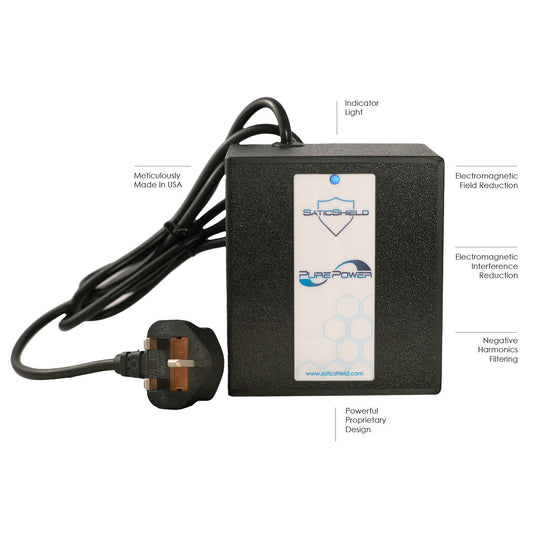
  • Plug-in filters (like the Satic Pure Power) insert into a standard wall outlet and clean the circuit they're connected to. Best for targeted protection in specific rooms — bedrooms, home offices, anywhere you spend extended time. Start here if you're new to dirty electricity filtration.
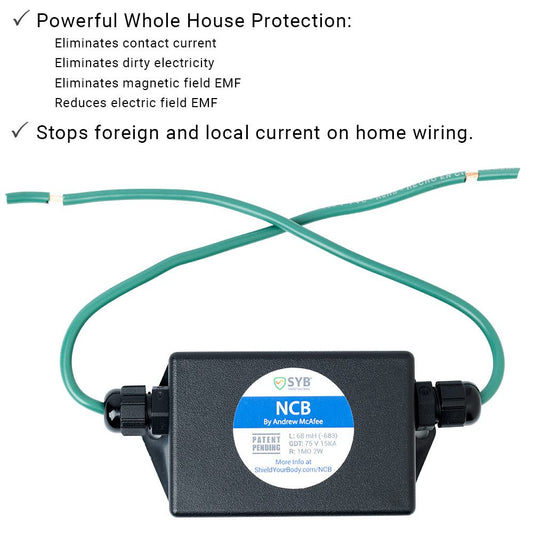
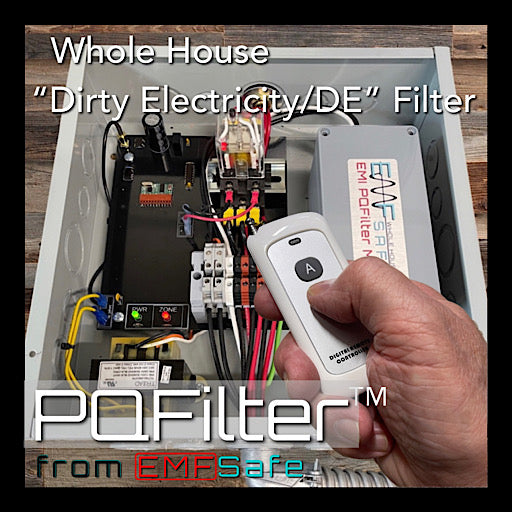
  • Whole-house filters (like the NCB Pro) install at your electrical panel and filter all electricity entering your home at once. Best for comprehensive coverage, homes with solar panels or EV chargers generating significant electrical noise, or situations where multiple plug-in units would be impractical.

How Many Plug-In Filters Do I Need?

This is the most common question — and the answer depends on your home:

  • Start with 1-2: Place them in the rooms where you spend the most time (bedroom and home office). Measure before and after with a dirty electricity meter to verify the reduction.
  • Typical 3-bedroom home: 4-6 plug-in filters provide good coverage across living spaces.
  • Large or complex homes: Consider a whole-house solution instead of managing 8+ plug-in units.

We strongly recommend measuring with the Satic EMI Line Monitor before and after installing filters. Dirty electricity levels vary by circuit, time of day, and what devices are running. Testing is the only way to know your filters are working effectively.

Satic vs. NCB: Understanding the Brands

While several brands make dirty electricity filters (including Greenwave), we carry Satic and NCB because they address different aspects of the problem — giving you more targeted solutions:

  • Satic focuses on filtering the hot and neutral conductors — the two main power-carrying wires in your outlets. Their Pure Power plug-in filter is the most straightforward entry point for dirty electricity reduction. Also available in a UK version for international customers.
  • NCB (Neutralizer Circuit Board) takes a different approach by also addressing the grounding conductor — the third prong on your plug. Standard filters leave the ground wire unaddressed, but many appliances (computers, TVs, refrigerators) are grounded. The NCB Plug handles standard dirty electricity, while the NCB Pro provides whole-house ground filtration.

Do I Need a Dirty Electricity Meter?

We highly recommend it. A meter lets you:

  • Measure your baseline dirty electricity levels before installing filters
  • Verify the filters are actually working on each circuit
  • Identify which rooms and circuits need the most attention
  • Monitor changes over time as you add or remove devices

The Satic EMI Line Monitor plugs into any outlet and gives you an instant reading. Think of it as the essential companion to any filter purchase.

For a deeper dive into how dirty electricity works and why it matters, read our complete guide to dirty electricity filters.

Quick Decision Guide

  • Just getting started? → Satic Pure Power Plug-In + EMI Line Monitor
  • Want whole-house coverage? → NCB Pro (professional installation required)
  • Concerned about grounding conductor noise? → NCB Plug
  • International customer (UK)? → Satic Pure Power UK Version
  • Not sure what you need? → Start with the EMI Line Monitor to measure first

Frequently Asked Questions

How many dirty electricity filters do I need for my home?
It depends on your home's size, wiring, and how many electronic devices you use. For a typical 3-bedroom home, start with 4-6 plug-in filters — one per room where you spend the most time. Use a dirty electricity meter to test each circuit and prioritize the highest readings. For larger homes or comprehensive coverage, a whole-house filter like the NCB Pro is more practical than managing many plug-in units.
Do dirty electricity filters actually work?
Yes — when properly applied, dirty electricity filters measurably reduce high-frequency electrical noise on your home's wiring. You can verify this yourself by plugging a dirty electricity meter into an outlet, reading the baseline, installing a filter on that circuit, and measuring again. The reduction is real and repeatable. Results vary by circuit and wiring configuration, which is why we recommend testing with a meter.
What's the difference between plug-in and whole-house dirty electricity filters?
Plug-in filters (like the Satic Pure Power) treat individual circuits — you place them in the rooms that matter most. Whole-house filters (like the NCB Pro) install at your electrical panel and filter everything at once. Plug-ins are easier to install and more affordable to start with. Whole-house solutions are better for comprehensive coverage but require professional installation.
What's the difference between Satic and NCB filters?
Satic filters clean dirty electricity from the hot and neutral conductors — the two main power wires in your outlets. NCB filters also address the grounding conductor (third prong), which standard filters leave untreated. Many grounded appliances like computers and refrigerators can contribute noise through the ground wire. The NCB Plug handles standard circuits, while the NCB Pro provides whole-house ground filtration.
Do I need a dirty electricity meter?
We strongly recommend one. A dirty electricity meter (like the Satic EMI Line Monitor) lets you measure your baseline levels, verify that filters are working, identify which circuits need attention, and track changes over time. Without a meter, you're guessing. With one, you have real data showing exactly what your filters are doing.