
-
SLNT Clear-Front Faraday Bag
Regular price $41.97 USDRegular price$59.95 USDSale price $41.97 USDSold out -
SLNT Faraday Phone Sleeve
Regular price From $79.95 USDRegular price -
SLNT Faraday Laptop Bag
Regular price $55.97 USDRegular price$79.95 USDSale price $55.97 USDSold out -
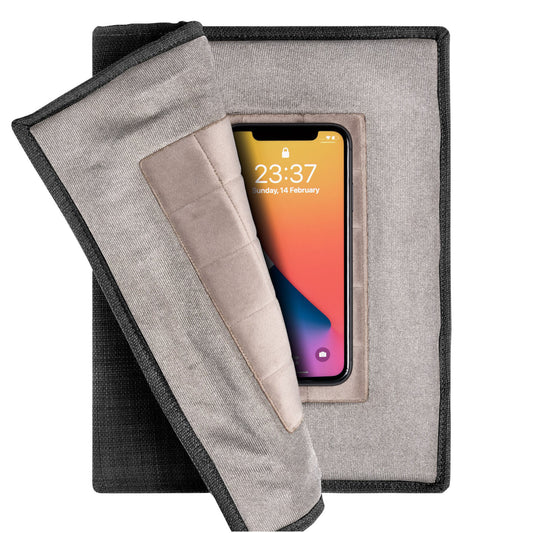
PoM Shield ECO Phone Faraday Cage
Regular price $49.99 USDRegular price -
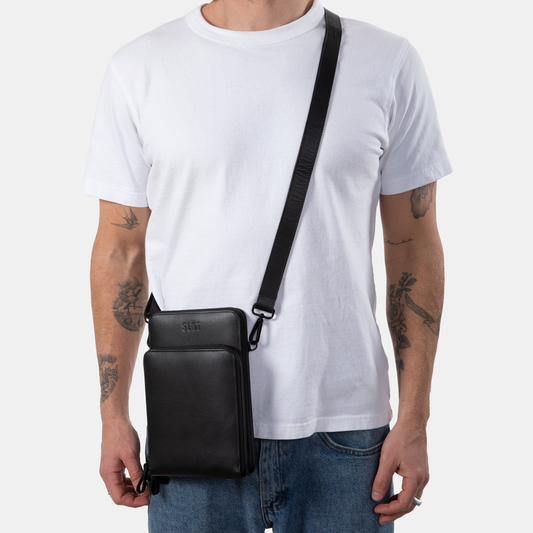
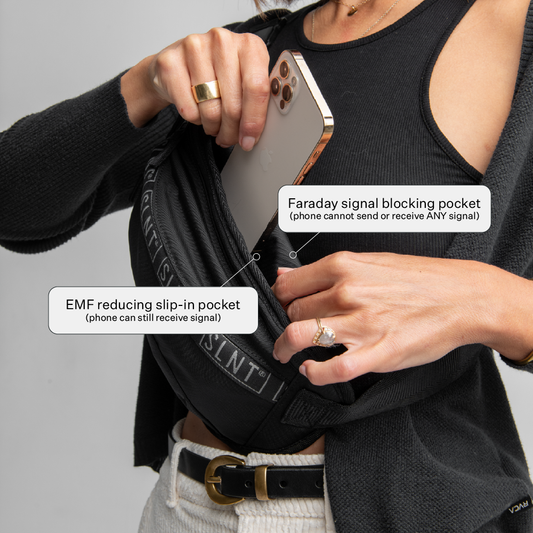
SLNT Lifestyle Faraday Sling Bag
Regular price $139.95 USDRegular price -
SLNT Faraday Sling Bag
Regular price From $99.95 USDRegular price -
Faraday Key Fob Bag
Regular price $21.95 USDRegular price -
SLNT Faraday Dry Bag
Regular price From $54.95 USDRegular price$0.00 USDSale price From $54.95 USD -
PoM Shield PLUS Phone Faraday Cage
Regular price $149.00 USDRegular price -
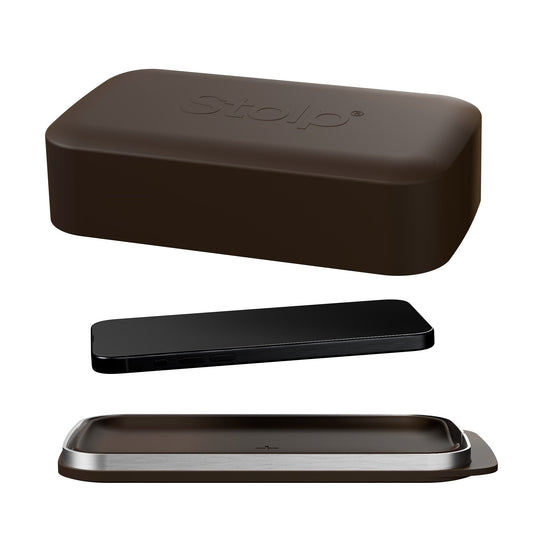
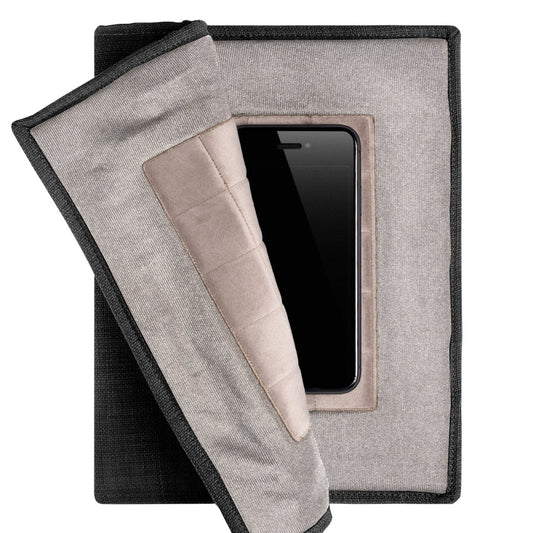
Bagby Stolp x KonMari Faraday Phone Box
Regular price $149.00 USDRegular price -
PoM Shield ORIGINAL Phone Faraday Cage
Regular price $99.99 USDRegular price

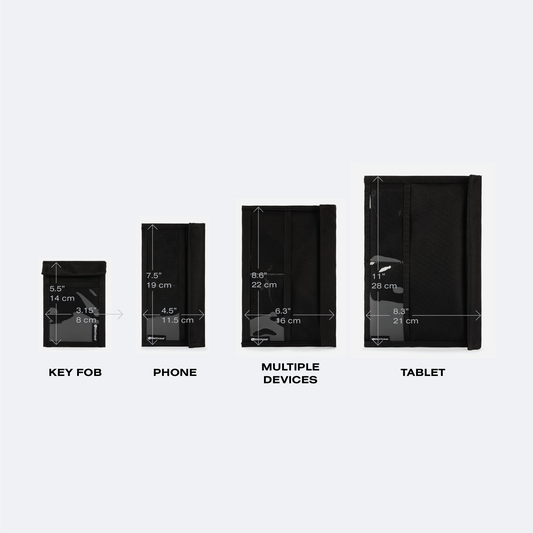

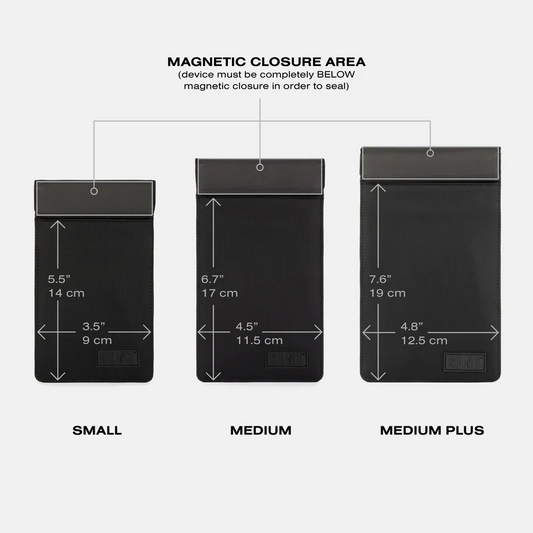

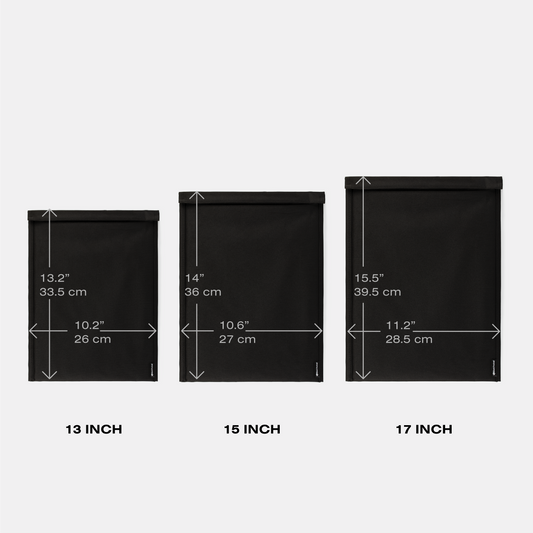

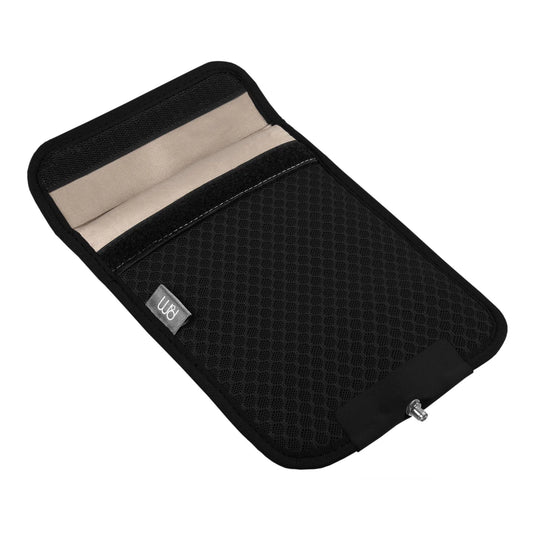






Frequently Asked Questions
Do faraday bags actually block all phone and key fob signals?
Yes, faraday bags work by creating a conductive enclosure that blocks all wireless signals. Our bags are lab-tested to 80+ dB attenuation—that's 99.99% signal blocking. You can verify effectiveness yourself: place your phone inside, seal the bag, and try calling it. If it goes straight to voicemail, the bag is working.
Can my phone be tracked when it's inside a faraday bag?
No. A properly sealed faraday bag blocks GPS, cellular, WiFi, and Bluetooth—all the signals used for tracking. Your phone cannot send or receive any data while inside, making tracking impossible. This also means you won't receive calls or messages until you remove the phone.
What are the disadvantages of using a faraday bag?
The main trade-off is accessibility: you can't use your phone while it's protected. You'll miss calls and messages until you remove it. For key fobs, you'll need to take the fob out to unlock your car. Some users keep a secondary pouch to quickly swap between protected and accessible modes.
Do faraday pouches lose their effectiveness over time?
Quality faraday pouches maintain effectiveness for years with proper care. The shielding materials don't degrade from normal use. However, physical damage—tears, holes, or worn seams—can create gaps that leak signals. Inspect your pouch periodically and test it with your phone. If it stops blocking calls, it's time to replace.
Does TSA allow faraday bags through airport security?
Yes, faraday bags are TSA-compliant. They appear as normal bags on X-ray scanners—the shielding materials don't trigger security alerts. You may be asked to open the bag for visual inspection like any other carry-on item. Many frequent travelers use faraday bags specifically to protect devices and prevent wireless skimming at airports.
