
-
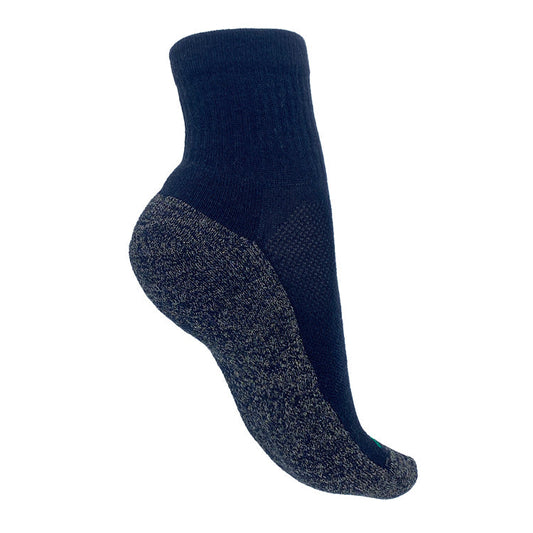
TRU47 Black Merino Wool Grounding Socks - Quarter Height
Regular price From £19.00 GBPRegular price£32.00 GBPSale price From £19.00 GBP-41% -
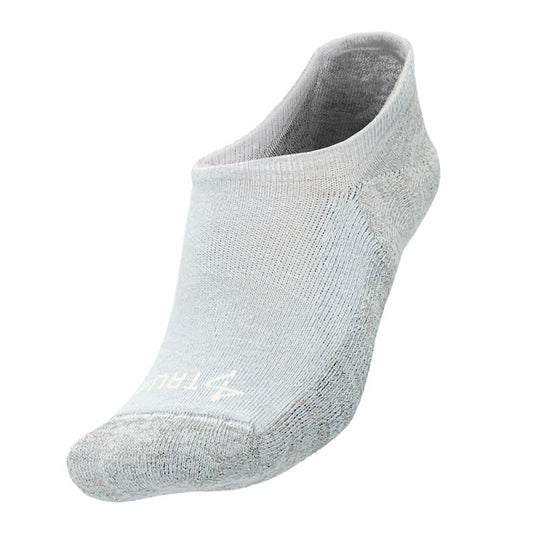
TRU47 Cotton Grounding Socks - No Show
Regular price £19.00 GBPRegular price£32.00 GBPSale price £19.00 GBP-41% -
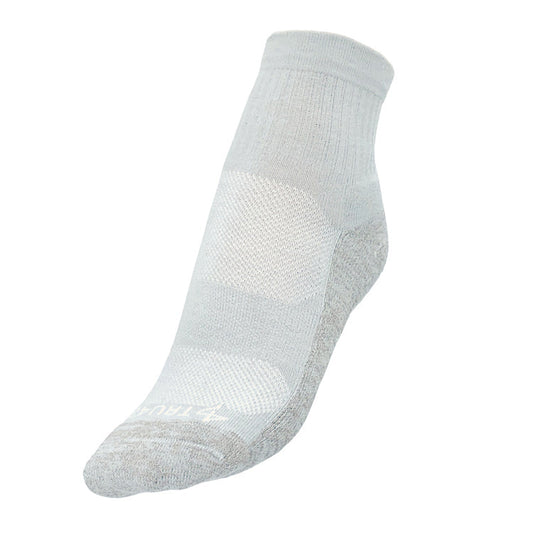
TRU47 Cotton Grounding Socks - Quarter Height
Regular price £19.00 GBPRegular price£32.00 GBPSale price £19.00 GBP-41% -
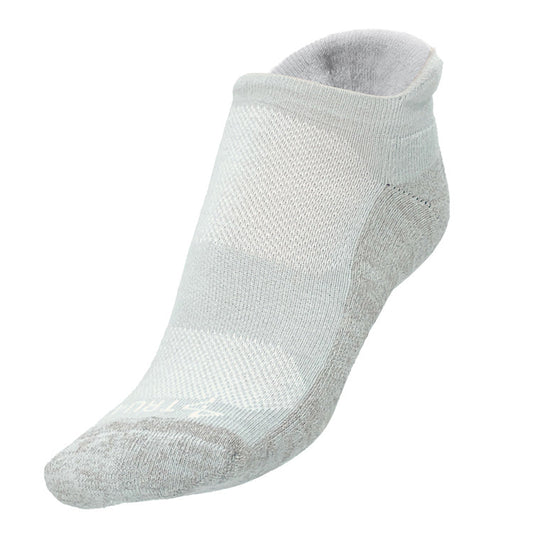
TRU47 Cotton Grounding Socks - Low Cut
Regular price £19.00 GBPRegular price£32.00 GBPSale price £19.00 GBP-41%




Frequently Asked Questions
Do earthing shoes actually connect you to the earth's energy?
Yes, earthing shoes work by using conductive materials in the sole that allow electrons to flow between the earth and your body. When you walk on natural surfaces like grass, soil, or even concrete, the conductive pathway lets you receive the earth's electrical charge—the same benefit you'd get walking barefoot.
How long should you wear grounding shoes each day?
Most people notice benefits with 30-60 minutes of grounded walking daily on conductive surfaces like grass, soil, or unpainted concrete. However, there's no upper limit—wearing grounding shoes throughout the day simply extends your connection to the earth. Many customers wear them as their primary footwear for continuous grounding wherever they go.
Can I wear grounding shoes indoors?
Grounding shoes work on any conductive surface, including concrete and tile floors (as long as they're not sealed with non-conductive coatings). They won't ground you on carpet, wood, or vinyl flooring. For indoor grounding, pair them with a grounding mat or use our indoor grounding products.
What's the difference between grounding shoes and regular barefoot shoes?
While both offer thin, flexible soles and wide toe boxes, grounding shoes add conductive materials that create an electrical connection to the earth. Regular barefoot shoes still insulate you from the ground. If earthing is your goal, you need shoes specifically designed with conductive soles.
Are grounding shoes suitable for all weather conditions?
Our grounding shoes work in most conditions, but they're most effective on natural or conductive surfaces. Rain actually improves conductivity. However, snow, ice, and thick grass may reduce the connection. For year-round grounding, combine outdoor grounding shoes with indoor grounding products.
