
-
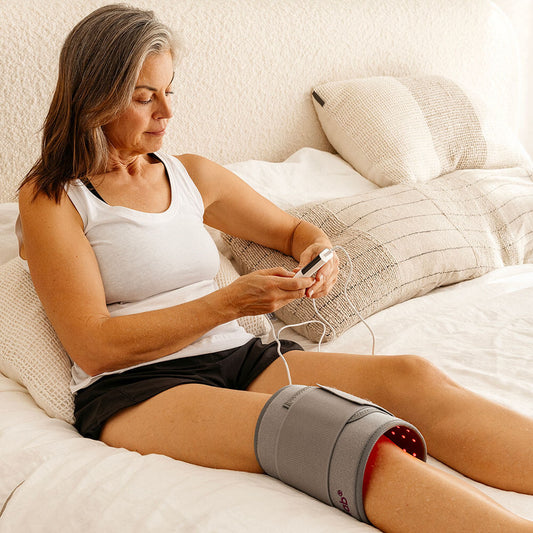
NovaaLab Red Light Deep Healing Therapy Pad
Regular price £266.00 GBPRegular price£0.00 GBPSale price £266.00 GBPSold out -
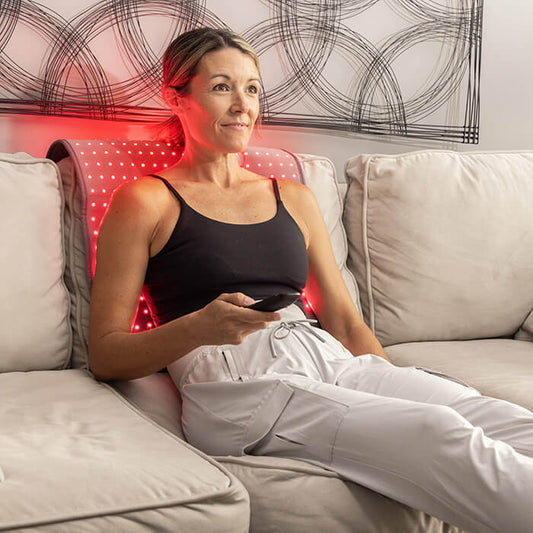
NovaaLab Red Light Deep Healing Pad XL
Regular price £456.00 GBPRegular price£0.00 GBPSale price £456.00 GBPSold out -
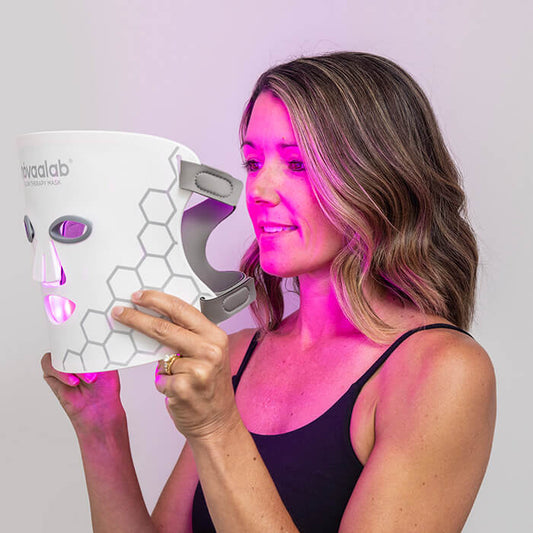
NovaaLab Red Light Glow Therapy Mask
Regular price £190.00 GBPRegular price£0.00 GBPSale price £190.00 GBPSold out -
Ocushield Portable Red & Infrared Light Therapy Panel
Regular price £175.00 GBPRegular price -
NovaaLab Red Light Full Body Recovery Pod
Regular price £1,897.00 GBPRegular price£1,897.00 GBPSale price £1,897.00 GBPSold out





Frequently Asked Questions
Do at-home red light therapy devices really work?
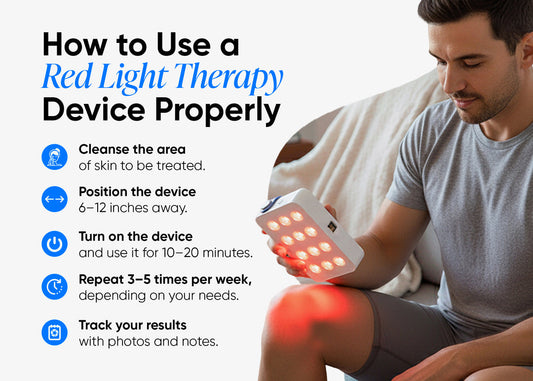
Yes, at-home red light therapy devices work when they deliver adequate power at the correct wavelengths (typically 660nm red and 850nm near-infrared). Clinical studies show benefits for pain relief, wound healing, inflammation reduction, and skin health. Results depend on consistent use—most protocols recommend 10-20 minute sessions, 3-5 times weekly.
What is the best red light therapy for pain relief?
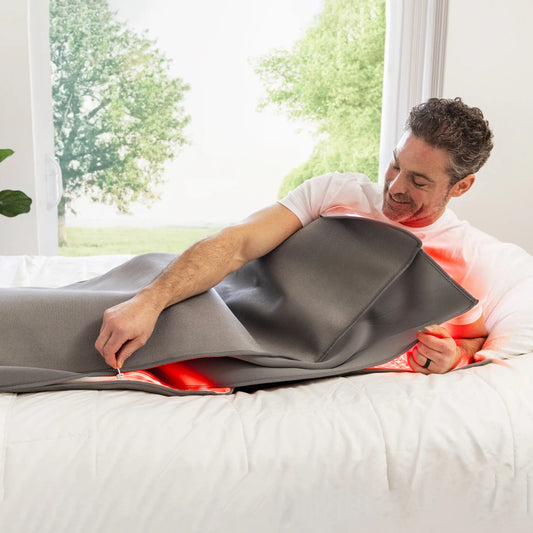
For localized pain relief, flexible LED pads like the NovaaLab Deep Healing Pad work best because they conform to joints and muscles, delivering concentrated light therapy directly to the affected area. The combination of 660nm and 850nm wavelengths penetrates tissue to reduce inflammation and stimulate healing.
How long does it take to see results from red light therapy?
Some people notice immediate benefits like reduced pain and relaxation after their first session. For cumulative benefits like improved skin appearance and chronic pain reduction, most users see noticeable results within 4-8 weeks of consistent use. Athletic recovery benefits are often felt within 24-48 hours.
Is red light therapy safe for daily use?
Yes, red light therapy is safe for daily use. Unlike UV light, red and near-infrared wavelengths don't damage skin or eyes (though avoiding direct eye exposure is recommended). Most protocols suggest 10-20 minute sessions. There's no risk of overdose, though more isn't necessarily better—cells can only absorb so much light energy.
What's the difference between red light therapy panels and pads?
Panels treat larger areas from a fixed distance—ideal for full-face treatments or multiple body areas simultaneously. Pads wrap around specific body parts for targeted, contact-based therapy—better for joint pain, injuries, and localized treatment. Pads typically deliver higher irradiance due to direct contact.
