
-
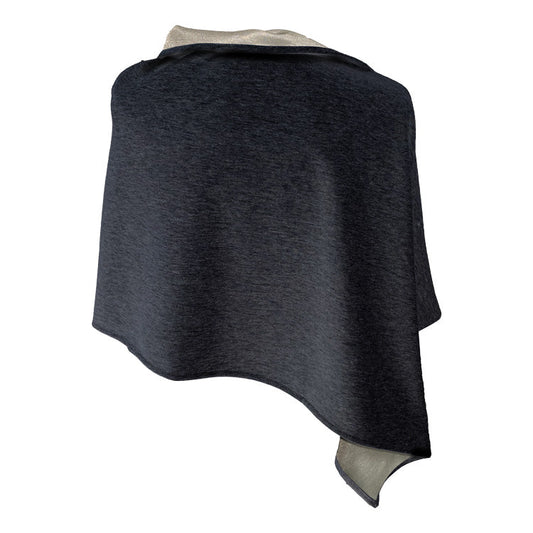
TRU47 Poncho Cotton Double Knit Black-Short
Regular price £179.00 GBPRegular price£179.00 GBPSale price £179.00 GBPSold out -
TRU47 Reversible Silver Cotton Double Knit Scarf Blue Denim
Regular price £170.00 GBPRegular price£170.00 GBPSale price £170.00 GBPSold out -
TRU47 Reversible Silver Cotton Double Knit Scarf Moss
Regular price £170.00 GBPRegular price£170.00 GBPSale price £170.00 GBPSold out -
TRU47 Cotton Double Knit Moss Green Long Poncho
Regular price £211.00 GBPRegular price£211.00 GBPSale price £211.00 GBPSold out -
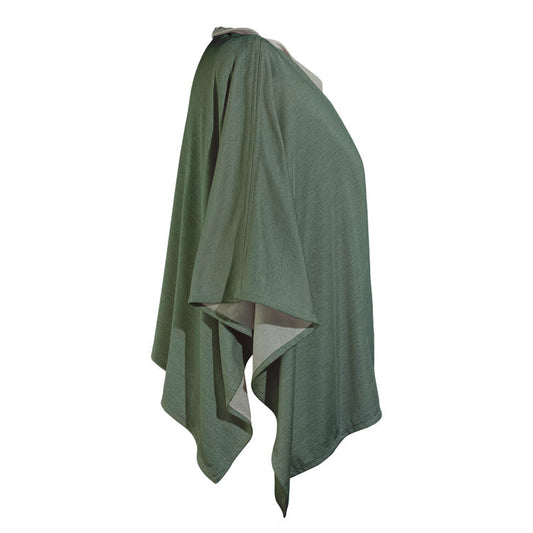
TRU47 Cotton Double Knit Green Moss Short Poncho
Regular price £179.00 GBPRegular price£179.00 GBPSale price £179.00 GBPSold out -
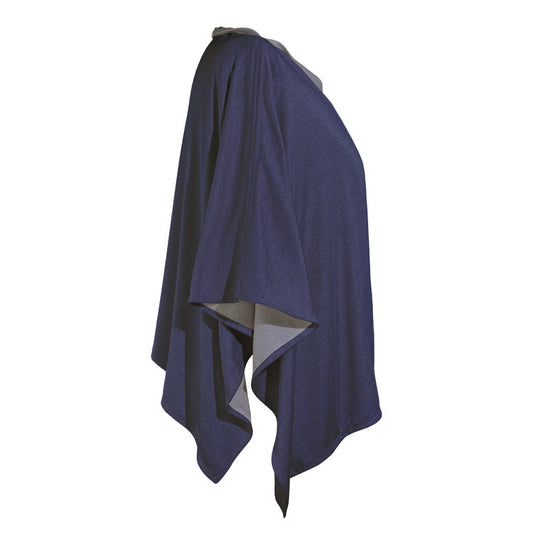
TRU47 Cotton Double Knit Blue Denim Short Poncho
Regular price £179.00 GBPRegular price£179.00 GBPSale price £179.00 GBPSold out -
TRU47 Cotton Double Knit Blue Denim Long Poncho
Regular price £211.00 GBPRegular price£211.00 GBPSale price £211.00 GBPSold out -
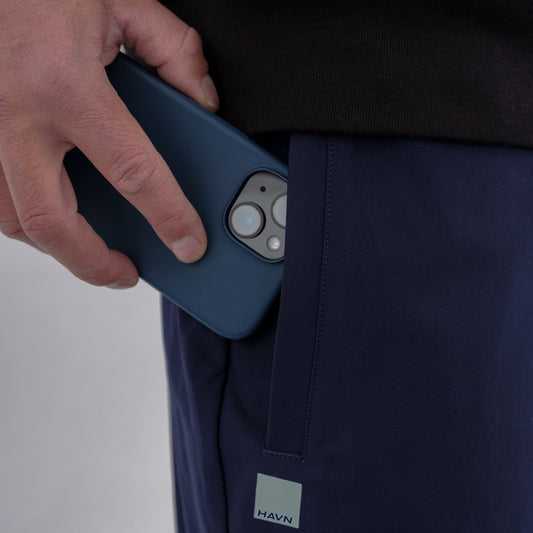
HAVN WaveStopper™ Joggers
Regular price £303.00 GBPRegular price£0.00 GBPSale price £303.00 GBPSold out -
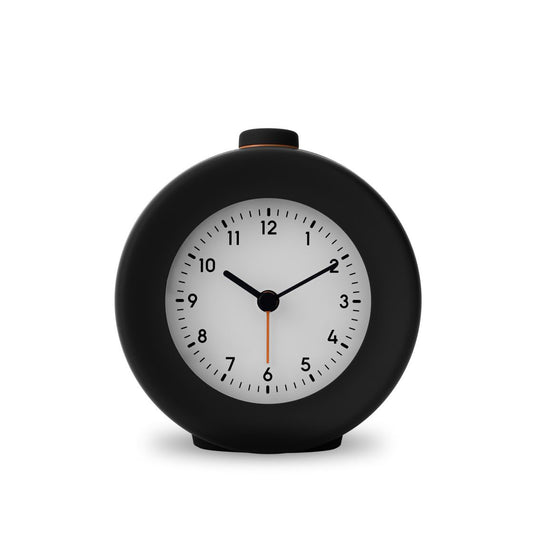
Mudita Bell EMF-Free Alarm Clock
Regular price £71.00 GBPRegular price







Frequently Asked Questions
Do EMF protection products really work, or are they scams?
Products using actual shielding materials (silver, copper, metallic mesh) work through measurable physics—we publish dB ratings from independent lab testing. Products claiming to "neutralize," "harmonize," or use stickers/pendants without conductive materials have no scientific basis. Look for published attenuation data before buying any EMF protection.
Is laptop radiation dangerous if I use it on my desk?
Laptops emit magnetic fields and RF radiation (if WiFi is on). On a desk, distance reduces exposure compared to lap use. For extended work sessions, a laptop radiation pad underneath blocks the downward-directed fields. Hardwiring via ethernet and disabling WiFi eliminates RF emissions entirely.
Why buy EMF shielding when I could just use aluminum foil?
Aluminum foil can block some RF radiation, but it tears easily, doesn't seal properly, and creates inconsistent shielding. Purpose-built products use tested materials with verified attenuation, proper construction for complete coverage, and durability for repeated use. Professional shielding provides reliable, measured protection that foil cannot match.
Do EMF defense bracelets and pendants protect against radiation?
No. Bracelets and pendants that claim to "harmonize" or "neutralize" EMF have no scientific mechanism of action and fail independent testing. Effective EMF protection requires conductive materials that physically block or deflect radiation. If a product doesn't cite dB reduction ratings, it's not providing measurable shielding.
What's the most cost-effective EMF protection strategy?
Start with behavioral changes (free): increase distance from devices, use speakerphone, disable WiFi when not needed. Add a phone pouch ($30-50) for your highest-exposure device. If you use a laptop daily, add a radiation pad ($60-80). Expand to bedroom protection only after addressing personal device exposure first.
