
-
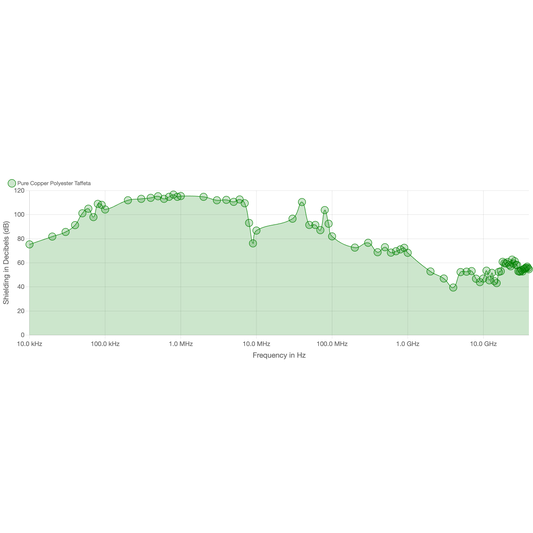
LessEMF Pure Copper Polyester Taffeta Shielding Fabric
Regular price From $29.00 CADRegular price -
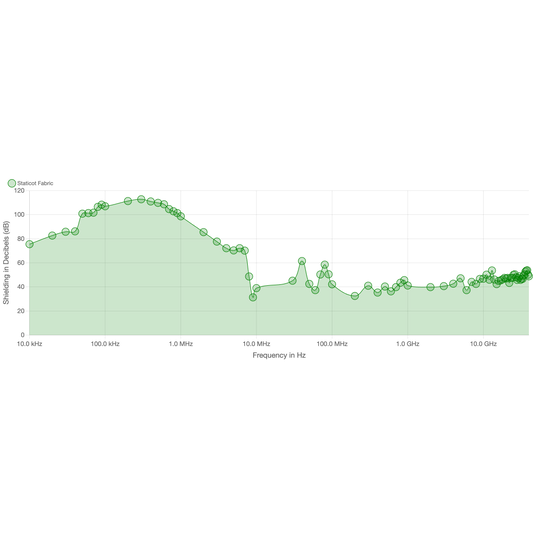
LessEMF Staticot Shielding Fabric
Regular price From $33.00 CADRegular price -
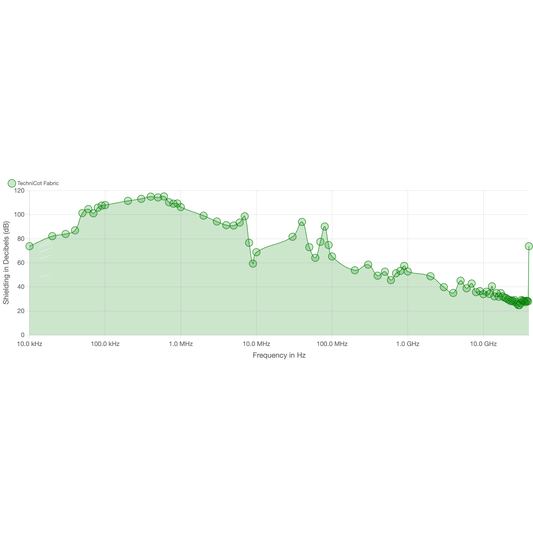
LessEMF TechniCot Shielding Fabric
Regular price From $112.00 CADRegular price -
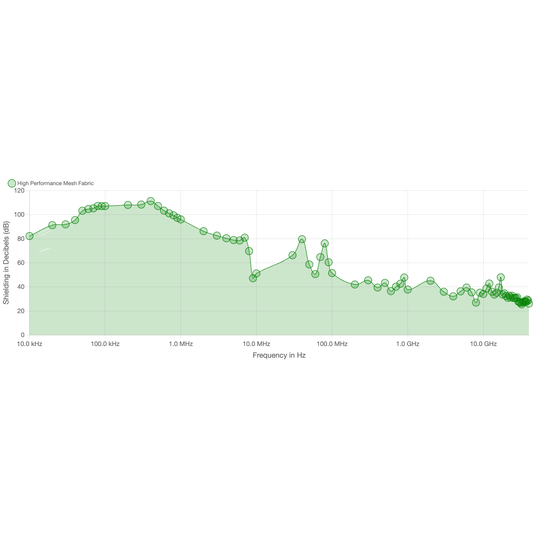
LessEMF High Performance Mesh Shielding Fabric
Regular price From $85.00 CADRegular price




Frequently Asked Questions
What can faraday fabric actually block?
Faraday fabric blocks RF radiation (WiFi, cellular, Bluetooth, 5G), RFID signals, and provides partial magnetic field shielding depending on construction. It blocks electromagnetic waves through reflection and absorption. It does NOT block light, sound, air, or nuclear radiation. Check specific frequency attenuation ratings for your protection needs.
Will electronics still work inside a faraday enclosure?
Electronics function normally inside faraday enclosures—they're just cut off from wireless signals. Your phone will power on but have no service. WiFi devices won't connect. Battery-powered devices work fine. This is actually the point: protecting electronics from EMP or preventing signal transmission/reception.
Can I make effective DIY faraday shielding with your fabric?
Yes. Our fabrics are designed for DIY projects—bed canopies, window covers, and room shielding. Key requirements: maintain continuous conductivity (overlap seams), ground the fabric for electric field protection, and seal all gaps. We provide project guides with measurements and techniques for common applications.
What's the difference between your fabric grades?
Our fabrics vary in attenuation level, flexibility, and durability. Silver-threaded cotton (35-45 dB) is soft and sewable—ideal for canopies and clothing. Copper-nickel mesh (50-60 dB) is rigid and durable—better for permanent installations. Higher dB means more shielding. Choose based on your project requirements and protection goals.
How do I ensure my DIY faraday project actually works?
Test with an EMF meter before and after installation. Measure ambient RF levels, then measure inside your enclosure. The difference shows your actual shielding effectiveness. Common failures: gaps in seams, unsealed entry points, or inadequate grounding. If readings aren't dropping significantly, check for leaks and improve your sealing.
