-
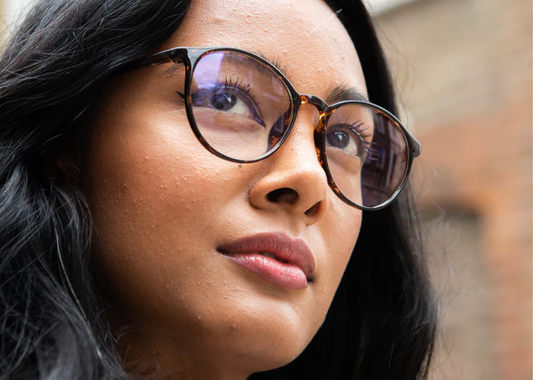
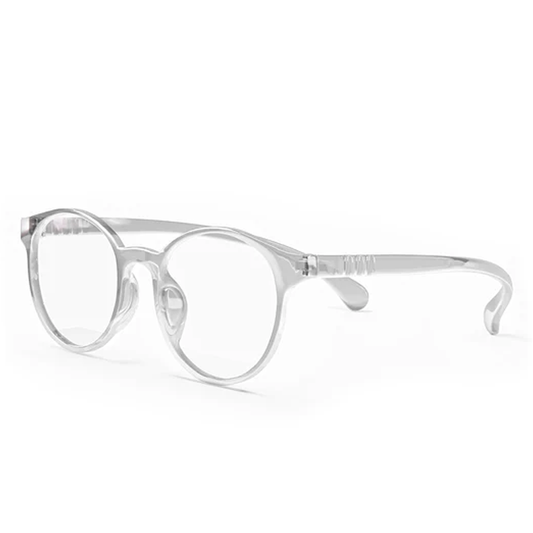
SYB Bluelight Glasses
Regular price $71.00 CADRegular price -
Ocushield Blue Light Screen Protector for iPhone
Regular price From $50.00 CADRegular price$80.00 CADSale price From $50.00 CAD-38% -
Ocushield Blue Light Screen Protector for MacBook Air & Pro
Regular price From $77.00 CADRegular price$86.00 CADSale price From $77.00 CAD-10% -
Ocushield Amber, Darker Blue Light Glasses
Regular price $77.00 CADRegular price$109.00 CADSale price $77.00 CAD-29% -
Ocushield Blue Light Screen Protector for iPad
Regular price $58.00 CADRegular price$80.00 CADSale price $58.00 CAD-28% -
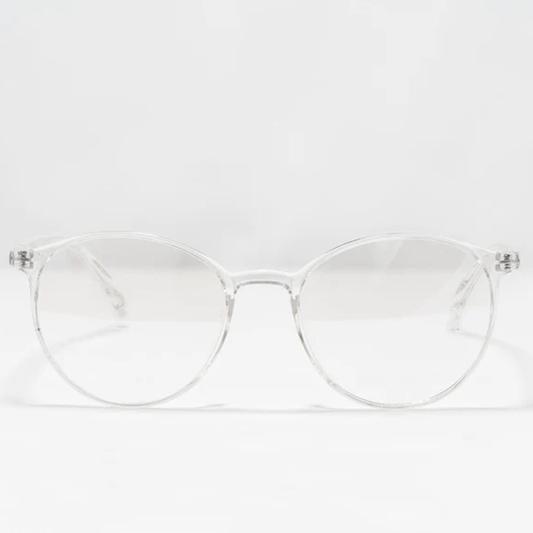
Ocushield Clear, All-Day Blue Light Glasses
Regular price $77.00 CADRegular price$102.00 CADSale price $77.00 CAD-25% -
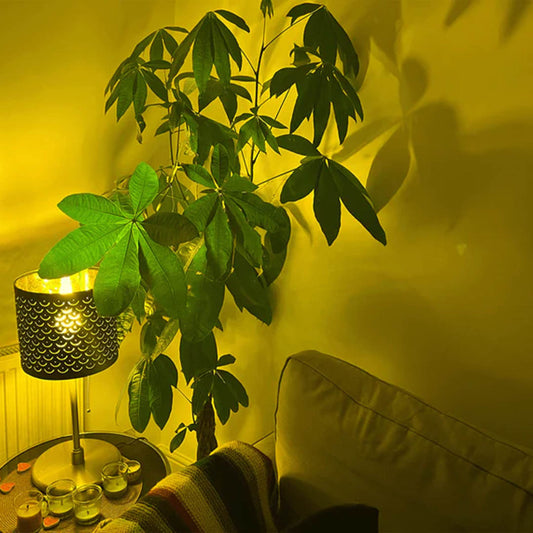
Ocushield Blue Light Blocking Light Bulb
Regular price $44.00 CADRegular price$64.00 CADSale price $44.00 CAD-31% -
Ocushield Clear, Clip-On All-Day Blue Light Glasses
Regular price $77.00 CADRegular price$94.00 CADSale price $77.00 CAD-18% -
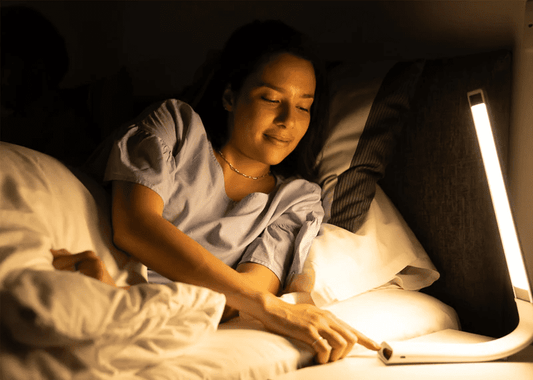
Ocushield Low Blue Light Lamp
Regular price $193.00 CADRegular price -
Ocushield Children's Blue Light Glasses
Regular price $68.00 CADRegular price$94.00 CADSale price $68.00 CAD-28% -
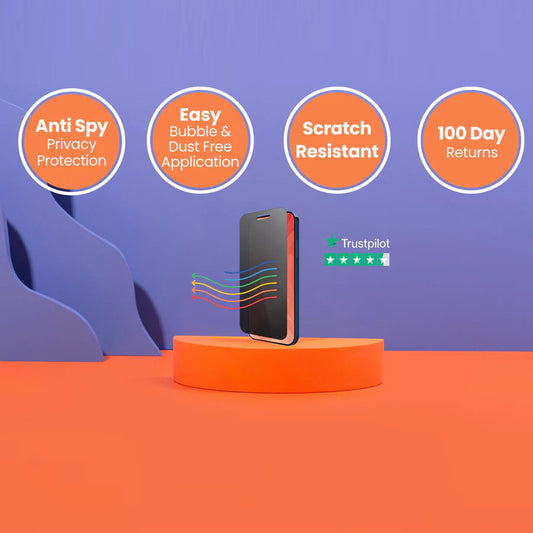
Ocushield Privacy Screen Protector for iPhone
Regular price $87.00 CADRegular price$92.00 CADSale price $87.00 CAD-5%













Frequently Asked Questions
How long before bed should I wear blue light blocking glasses for better sleep?
Wear amber-tinted blue light blocking glasses 2-3 hours before your intended bedtime. This window allows your body to begin natural melatonin production. Clear lenses can be worn all day, but amber provides stronger protection during the critical evening hours.
Are blue light blocking glasses scientifically proven to improve sleep?
Yes. Harvard research confirms that blue light suppresses melatonin more than other wavelengths, disrupting sleep. Studies show wearing blue light blocking glasses in the evening helps preserve natural melatonin production. Our FDA-registered lenses are developed by qualified optometrists.
Do amber lenses work better than clear lenses for sleep?
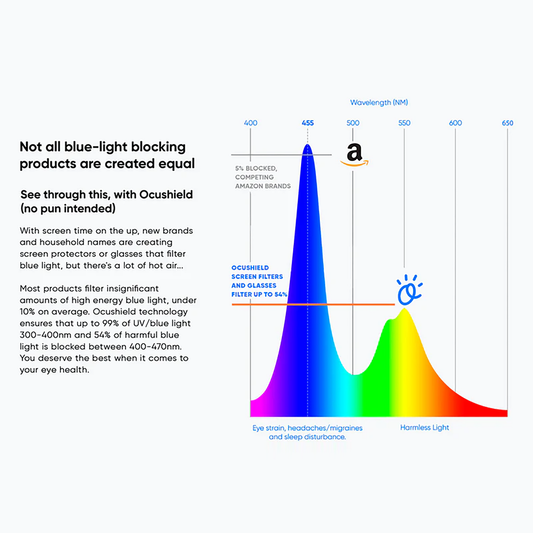
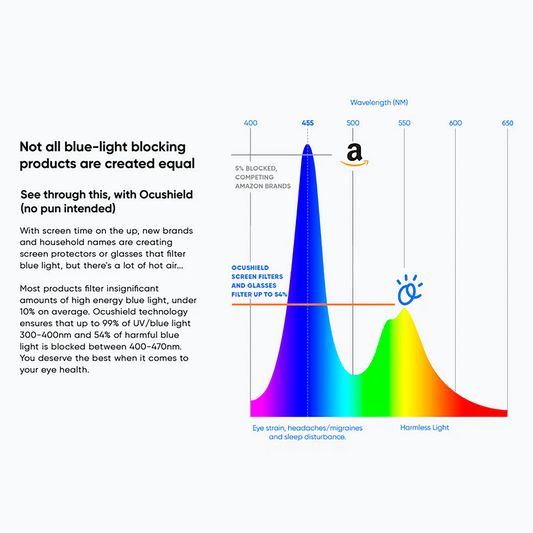
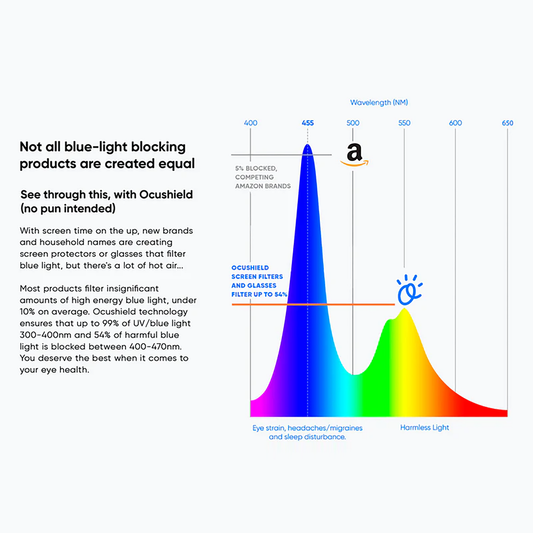
For sleep specifically, amber lenses are more effective. They filter 50-100% of blue light versus 20-40% for clear lenses. Use amber lenses in the evening when melatonin suppression matters most. Clear lenses are better for all-day wear when you need accurate color perception.
How quickly will I notice sleep improvements from blue light blocking glasses?
Most users notice easier sleep onset within 1-2 weeks of consistent evening use. Full circadian rhythm adjustment typically takes 2-4 weeks. For best results, combine blue light glasses with good sleep hygiene: dim lights, avoid screens in bed, and maintain a consistent sleep schedule.
Should I use blue light blocking glasses or screen protectors for sleep?
Both work, and they can be used together. Glasses protect your eyes from all light sources including room lighting and multiple devices. Screen protectors block blue light at the device level with consistent protection. For comprehensive coverage, use both—especially if you use devices in bed.
