
-
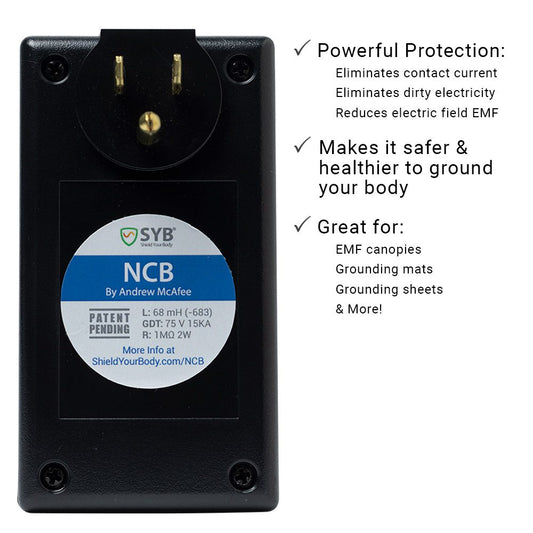
The NCB Plug Dirty Electricity Filter for Grounding from SYB
Regular price $434.00 CADRegular price -
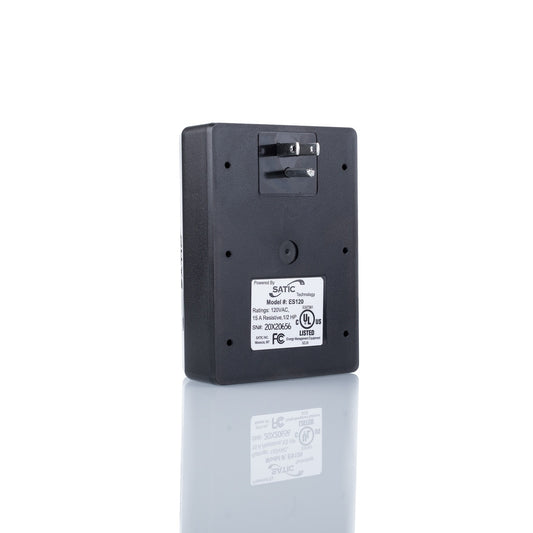
Satic Pure Power Plug-In Dirty Electricity Filter for North America
Regular price From $303.00 CADRegular price -
Satic EMI-Free LED Light Bulbs (12 pk)
Regular price $238.00 CADRegular price -
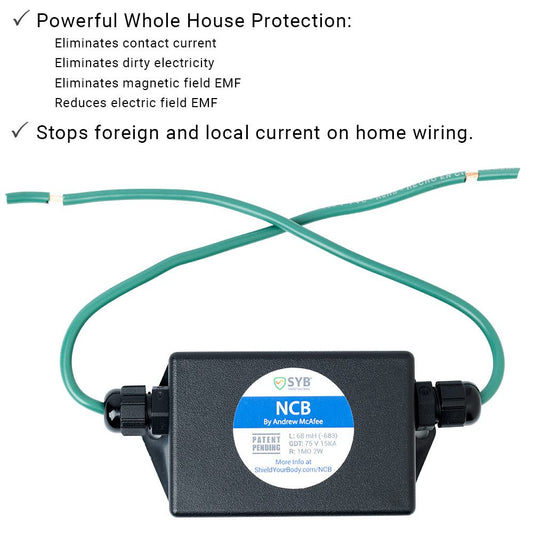
The NCB Pro Dirty Electricity Filter for Grounding from SYB
Regular price $651.00 CADRegular price -
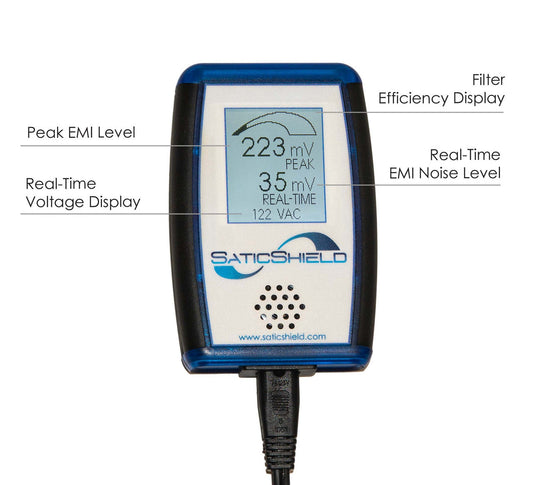
Satic EMI Line Monitor Dirty Electricity Meter for North America
Regular price $317.00 CADRegular price -
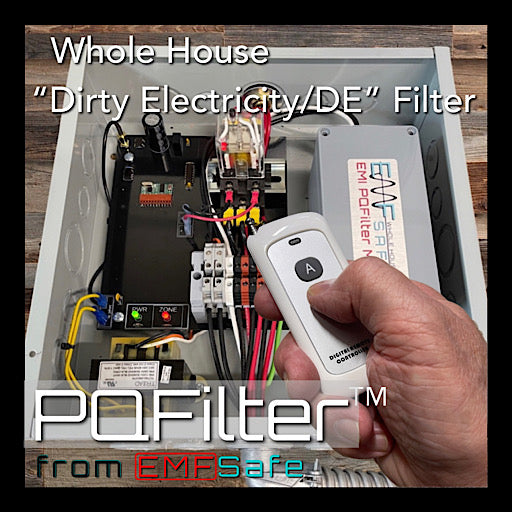
EMFSafe Whole House “DE” PQFilter™
Regular price From $1,607.00 CADRegular price -
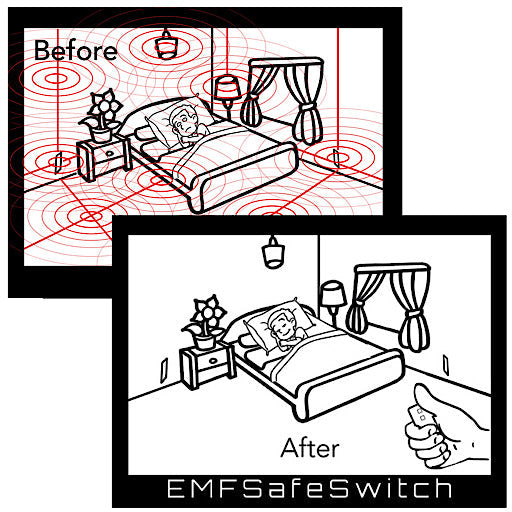
EMFSafe Remote Cut Off Kill Switch
Regular price From $1,445.00 CADRegular price







Frequently Asked Questions
How many dirty electricity filters do I need for my home?
It depends on your home's size, wiring, and how many electronic devices you use. For a typical 3-bedroom home, start with 4-6 plug-in filters — one per room where you spend the most time. Use a dirty electricity meter to test each circuit and prioritize the highest readings. For larger homes or comprehensive coverage, a whole-house filter like the NCB Pro is more practical than managing many plug-in units.
Do dirty electricity filters actually work?
Yes — when properly applied, dirty electricity filters measurably reduce high-frequency electrical noise on your home's wiring. You can verify this yourself by plugging a dirty electricity meter into an outlet, reading the baseline, installing a filter on that circuit, and measuring again. The reduction is real and repeatable. Results vary by circuit and wiring configuration, which is why we recommend testing with a meter.
What's the difference between plug-in and whole-house dirty electricity filters?
Plug-in filters (like the Satic Pure Power) treat individual circuits — you place them in the rooms that matter most. Whole-house filters (like the NCB Pro) install at your electrical panel and filter everything at once. Plug-ins are easier to install and more affordable to start with. Whole-house solutions are better for comprehensive coverage but require professional installation.
What's the difference between Satic and NCB filters?
Satic filters clean dirty electricity from the hot and neutral conductors — the two main power wires in your outlets. NCB filters also address the grounding conductor (third prong), which standard filters leave untreated. Many grounded appliances like computers and refrigerators can contribute noise through the ground wire. The NCB Plug handles standard circuits, while the NCB Pro provides whole-house ground filtration.
Do I need a dirty electricity meter?
We strongly recommend one. A dirty electricity meter (like the Satic EMI Line Monitor) lets you measure your baseline levels, verify that filters are working, identify which circuits need attention, and track changes over time. Without a meter, you're guessing. With one, you have real data showing exactly what your filters are doing.
