-
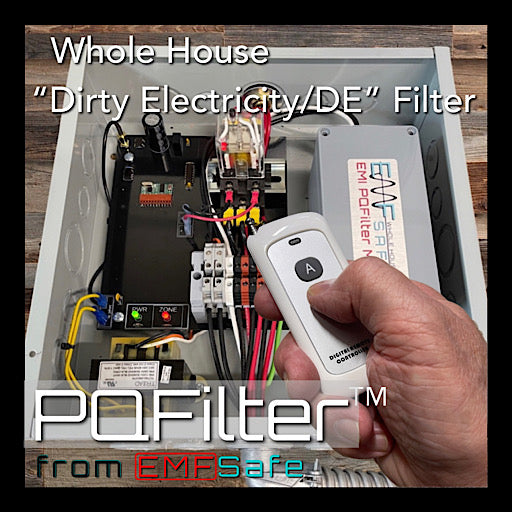
EMFSafe Whole House “DE” PQFilter™
Regular price From $1,111.00 USDRegular price -
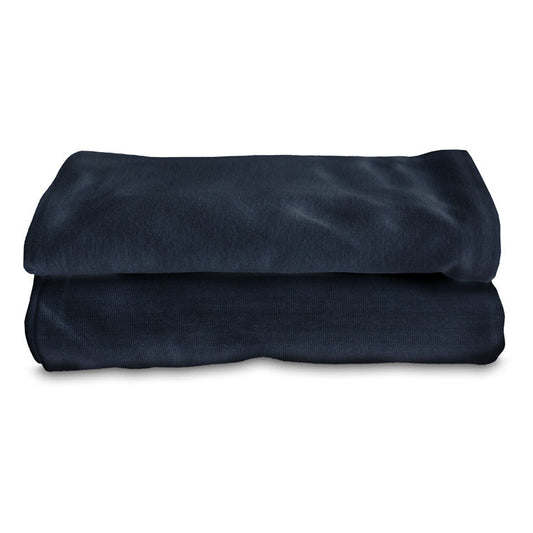
TRU47 Grounding & EMF Blocking Lounger Blanket - Black
Regular price $285.00 USDRegular price$268.00 USDSale price $285.00 USD -
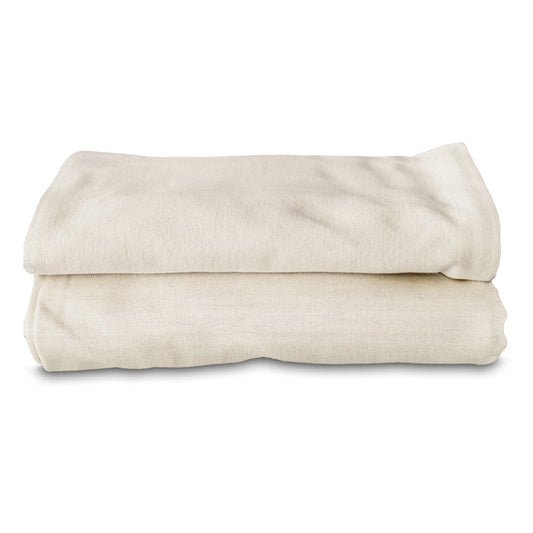
TRU47 Grounding & EMF Blocking Lounger Blanket - Beige
Regular price $285.00 USDRegular price$268.00 USDSale price $285.00 USD -
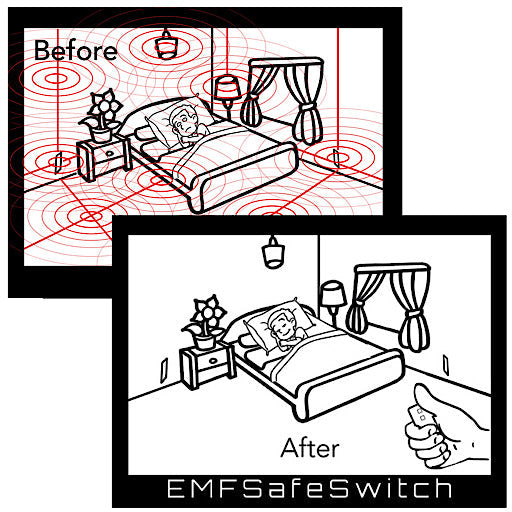
EMFSafe Remote Cut Off Kill Switch
Regular price From $999.00 USDRegular price -
Sleep Starter Kit
Regular price $149.00 USDRegular price$226.95 USDSale price $149.00 USD-34% -
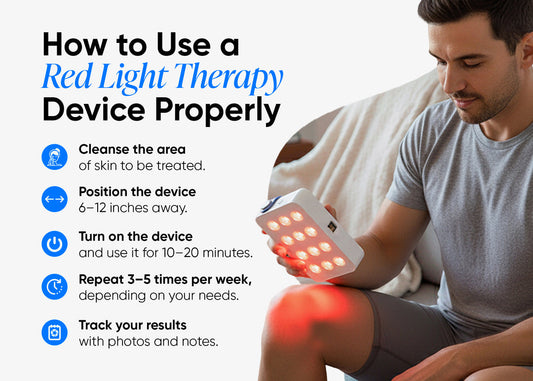
Ocushield Portable Red & Infrared Light Therapy Panel
Regular price $230.00 USDRegular price






Frequently Asked Questions
How does blue light from screens affect sleep quality?
Blue light suppresses melatonin production, the hormone that signals your body it's time to sleep. Evening screen use can delay sleep onset and reduce sleep quality. Blue light blocking glasses filter these wavelengths, helping maintain your natural circadian rhythm despite screen exposure.
When should I start wearing blue light blocking glasses each day?
Begin wearing blue light blockers two to three hours before your intended bedtime. This gives your body time to produce melatonin naturally. Many people also benefit from wearing them during extended daytime computer work to reduce eye strain and fatigue.
Do blue light glasses help with eye strain during computer work?
Yes, blue light glasses can reduce digital eye strain symptoms including tired eyes, headaches, and difficulty focusing. By filtering harsh blue wavelengths, they create a more comfortable viewing experience during extended screen time. Many users report noticeable comfort improvements.
What's the difference between daytime and nighttime blue light glasses?
Daytime glasses have lighter tints that filter blue light while maintaining color accuracy for work. Nighttime glasses have amber or red tints that block more blue light for maximum melatonin support. Using both types optimizes protection throughout your day.
Can children benefit from blue light blocking glasses?
Children's developing eyes may be more susceptible to blue light effects, and many kids have significant screen exposure. Blue light glasses sized for children can help protect their eyes and support healthy sleep patterns. Consider them especially for evening homework and screen time.
