
-
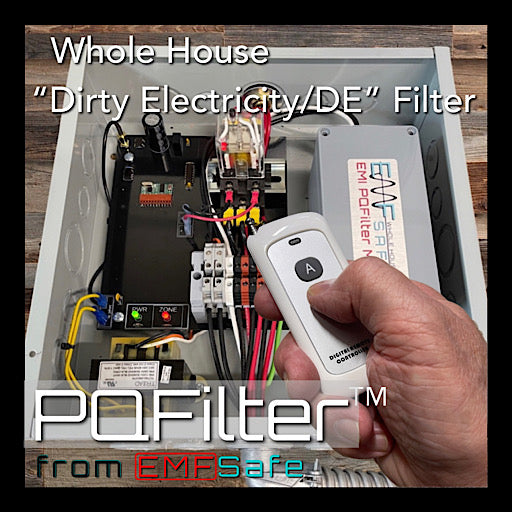
EMFSafe Whole House “DE” PQFilter™
Regular price From $1,111.00 USDRegular price -
TRU47 Grounding & EMF Blocking Lounger Blanket - Black
Regular price $285.00 USDRegular price$268.00 USDSale price $285.00 USDSold out -
TRU47 Grounding & EMF Blocking Lounger Blanket - Beige
Regular price $285.00 USDRegular price$268.00 USDSale price $285.00 USDSold out -
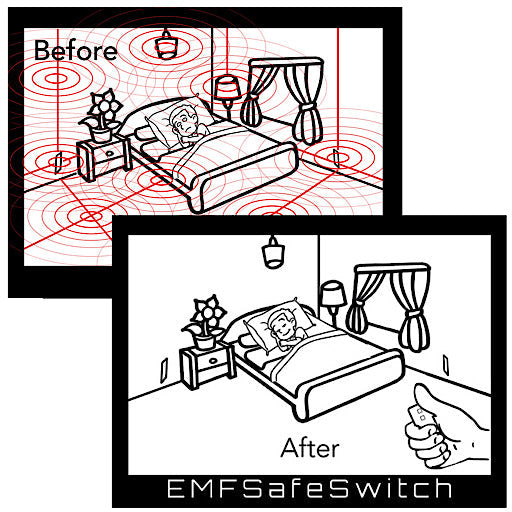
EMFSafe Remote Cut Off Kill Switch
Regular price From $999.00 USDRegular price -
Sleep Starter Kit
Regular price $149.00 USDRegular price$226.95 USDSale price $149.00 USD-34% -
Ocushield Portable Red & Infrared Light Therapy Panel
Regular price $230.00 USDRegular price






Frequently Asked Questions
What are the most important EMF sources to address in bedrooms?
Phones, routers, and smart devices near your bed create the highest exposure during sleep. Electronics on nightstands, WiFi routers in or near bedrooms, and electrical wiring in walls contribute to your nighttime EMF environment. Prioritize addressing the sources closest to where you sleep.
How does EMF exposure during sleep affect health and recovery?
Sleep is when your body repairs and regenerates. Some research suggests electromagnetic fields may interfere with melatonin production and sleep quality. Creating a low-EMF sleep environment supports your body's natural healing processes during these critical nighttime hours when restoration occurs.
Should I turn off my WiFi router at night for better sleep?
Turning off WiFi eliminates a significant radiation source during sleep hours. Many people notice improved sleep quality after implementing this simple change. Timer switches make this automatic. Combined with removing phones from bedrooms, it creates a substantially lower-EMF sleep environment.
What bedroom EMF protection products make the biggest difference?
Bed canopies provide comprehensive protection while you sleep, blocking radiation from all directions. Faraday bags keep phones dormant if you must have them nearby. Router guards reduce emissions if you can't relocate your router. Start with the highest-impact changes for your specific situation.
Can EMF protection help with sleep problems and insomnia?
Some people report improved sleep after reducing bedroom EMF exposure, though individual responses vary. Addressing EMF is one component of sleep hygiene alongside darkness, cool temperatures, and consistent schedules. Creating a healthier electromagnetic environment supports overall conditions conducive to restful sleep.
